
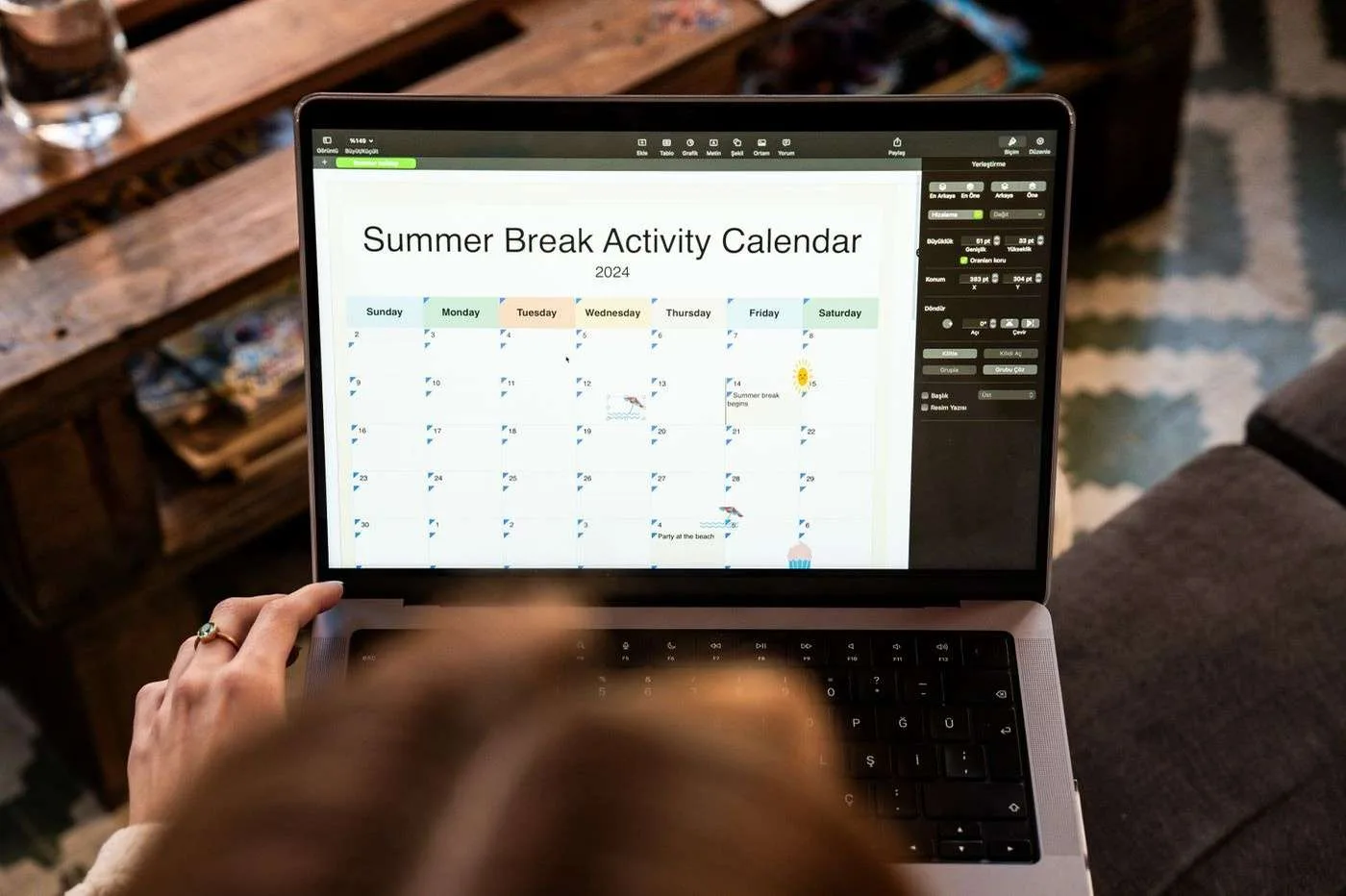
Seasonal workforce training scheduling comes down to one problem: you have weeks, not months, to get dozens or hundreds of new employees performing at a standard that took your permanent staff years to reach. Whether you’re ramping up for the holiday retail rush, a summer resort season, or a harvest window that closes in six weeks, the training calendar has to work faster and smarter than a typical corporate L&D program. This guide walks through how to build one that actually holds up under peak-season pressure.
Before configuring a platform for seasonal workforce scheduling, training managers need to understand how a training scheduling system works at a functional level so they can identify which capabilities are genuinely required.
Why Seasonal Workforce Training Scheduling Is So Different from Year-Round Programs
Standard L&D programs assume a stable audience, generous lead time, and a learning curve that unfolds gradually on the job. Seasonal workforce training scheduling operates under none of those conditions. Seasonal workers are hired to supplement the permanent workforce during high-demand periods, and the HR challenges include rapid onboarding of large cohorts, ensuring consistency of training, managing compliance for temporary contracts, and balancing the needs of permanent and temporary staff.
In our experience working with L&D teams that run annual seasonal ramps, the biggest failure point is treating seasonal training like a condensed version of standard onboarding. It isn’t. The content has to be stripped to the essentials, the delivery format has to work for workers who may be unfamiliar with digital tools, and the scheduling has to account for shift patterns that change week to week as peak season ramps up.
The Core Tension: Too Many People, Too Little Time
Retail businesses experience massive spikes during the holiday season, with the period from Black Friday through New Year’s Day requiring workforce increases of 30 to 50 percent. Agriculture and hospitality operate on similarly compressed timelines, with harvest windows and resort peaks that may last only six to ten weeks. That means the training calendar has to complete its work before volume hits, not during it.
The first week makes or breaks most seasonal experiences. Poor training creates slowdowns, frustration, preventable mistakes, and a level of stress that can snowball through an entire team. Getting that first week right is almost entirely a scheduling problem: the right content, in the right sequence, in a format that works for someone who has never stepped on your floor before.
Returning Hires vs. First-Time Seasonal Workers
One gap most seasonal training programs fail to close is differentiating between returning and new-hire cohorts. A worker who spent last summer at your resort property already knows your POS system, your service standards, and your escalation paths. Running them through the same five-day onboarding as a first-timer wastes their time and yours. We recommend tagging returning seasonal workers in your training management system at least six weeks before season start so they can be auto-enrolled in a condensed refresher track covering only policy updates, new menu or product changes, and any regulatory requirements that have shifted since their last contract.
How to Build a Seasonal Training Calendar Before Peak Season Hits
The seasonal training calendar is the operational backbone of your peak-season L&D plan. Most organizations build it too late. Top seasonal talent often secures positions two to three months in advance, especially for retail, hospitality, and tourism roles, which means your training calendar should be structured around your anticipated hire dates, not your peak dates.
Recommended Pre-Peak Timelines by Industry
The table below reflects what we’ve seen work across seasonal operations. These are not aspirational timelines. They’re the minimum lead times to avoid training becoming reactive.v
| Industry | Peak Period | Hire Start | Training Launch | Notes |
|---|---|---|---|---|
| Retail (Holiday) | Black Friday – January | Early October | Mid-October | 4-week ramp-up preferred |
| Hospitality (Summer) | June – August | April | Late April | Safety certifications require lead time |
| Hospitality (Ski Season) | December – March | October | Early November | Multi-property scheduling is critical |
| Agriculture (Harvest) | Varies by crop | 3-4 weeks before harvest | Day one of the contract | Safety training sequence is non-negotiable |
Prioritizing Must-Know Skills Over Nice-to-Have Content
Once you identify those core tasks, it becomes easier to build a training plan. You’re focusing on what employees must do well, not everything they could possibly learn. That structure helps supervisors stay consistent, especially in industries where training varies from shift to shift.
For accelerated onboarding, you’ll need shorter, more specific skills training modules. Focus training on the “what” and “how” employees will do their job rather than the “why.” Emphasize training for tasks that are simple and easily repeated to help hires learn the basics quickly. The goal is to get a seasonal worker to independent task performance in three to five days, then layer additional context during the first two weeks on the job.
Retail Training Schedules During Holiday and High-Volume Periods
A retail training schedule for a holiday ramp looks very different from a standard new-hire onboarding plan. The audience is large, the clock is tight, and the floor gets crowded fast. Successful retailers develop repeatable playbooks for mass seasonal hiring, deploy automated scheduling systems, and create clear performance standards that part-time workers can achieve quickly.
Compressing Onboarding Without Cutting Corners
Microlearning, meaning short and focused training sessions, has been shown to accelerate learning without overwhelming new staff. Five-minute video clips covering how to greet customers, use POS systems, or complete transactions are more effective than long classroom sessions for time-limited seasonal roles.
What this means practically: a retail seasonal employee training plan built around 15 to 20-minute daily modules, combined with shift shadowing in the first two days, typically outperforms a traditional two-day classroom onboarding when measured by time-to-productivity. Pair each module to a specific task the worker will complete that shift, and you eliminate the gap between training and application.
Cross-Training for Shift Flexibility
Cross-training employees across multiple functions enables better shift coverage and flexibility. When employees are trained in multiple areas, they can fill in for each other as needed so that tasks are always covered, even during busy times.
For retail specifically, cross-training cashiers to handle stock replenishment and customer service desk queries gives you significant scheduling flexibility on days when absences cluster. Build a two-track training path: a primary role track completed in week one, and a secondary role track introduced in week two for workers showing strong performance.
Hospitality Staff Training Calendars for Summer and Ski Season Peaks
Hospitality training calendars carry a layer of complexity that retail rarely faces: multiple departments, guest-facing service standards, food safety compliance, and in many cases, multiple physical properties that all need to be staffed simultaneously.
Multi-Location and Multi-Property Coordination
Proper staff scheduling is essential for hospitality businesses to remain productive and profitable, but accounting for daily shifts, employee absences, requested time off, and seasonal changes in demand makes creating a perfect schedule difficult without the proper technology tools.
When we map out hospitality staff training calendars for groups operating more than one property, the most common breakdown point is instructor availability. A training manager who can run a food safety session at one property cannot simultaneously cover another site 40 miles away. A TMS that tracks instructor calendars, room availability, and session capacity across locations allows hospitality L&D teams to schedule efficiently without double-booking trainers or leaving a property without mandatory compliance coverage.
Safety and Compliance Requirements in Hospitality
Food handler certification, alcohol service training, and emergency procedures cannot be delivered as self-paced eLearning alone in most jurisdictions. They require verified attendance, instructor sign-off, and in some cases, third-party certification. These compliance modules need to be scheduled first, before any product knowledge or service standard training, because a worker who cannot legally operate in a guest-facing role until certification is complete creates a gap in your peak-season schedule.
Seasonal Employee Training Plans for Agricultural Operations
Agricultural training operates under constraints that retail and hospitality rarely encounter: extremely short windows, physically demanding tasks with genuine safety risk, and in many operations, a workforce where English may not be the primary language.
Harvest-Window Constraints and Safety-First Sequencing
Agricultural operations face some of the most severe seasonal workforce challenges, with tight harvest windows and significant consequences for delays. A seasonal employee training plan for an agricultural operation has to sequence safety training first, not as a compliance formality but as an operational necessity. Equipment operation, heat illness prevention, pesticide exposure protocols, and emergency procedures must be covered before any worker enters the field. There is no phased approach here: day one is safety, day two is supervised task practice.
Language and Literacy Considerations in Agricultural Training
Written training materials and digital modules are frequently inaccessible to agricultural seasonal workers whose primary language is not English or whose literacy in any language is limited. Effective seasonal employee training plans for agricultural operations rely heavily on visual job aids, demonstrated procedures, peer interpretation, and hands-on practice over instructional text. Video-based content in Spanish and other relevant languages significantly improves safety knowledge retention and reduces the risk of equipment accidents during high-pressure harvest periods.
How a Training Management System Solves Seasonal Scheduling at Scale
Most organizations managing their first two or three seasonal ramps run the training calendar out of spreadsheets, email chains, and a shared drive. This works until it doesn’t. When your seasonal cohort crosses 50 people and spans more than one location, the administrative overhead of manual scheduling becomes a full-time job in itself.
TMS vs. Spreadsheets for High-Volume Cohort Scheduling
A training management system is a software platform designed to streamline and automate all aspects of employee training, from planning and scheduling to delivery, tracking, and reporting, serving as a central hub for managing training programs, resources, and learners.
For seasonal operations specifically, the features that matter most are bulk enrollment by cohort or hire date, automated session reminders, attendance tracking across sites, and the ability to clone last season’s training schedule as a template. The best TMS simplifies the enrollment process with bulk capabilities that allow training administrators to enroll learners by department, region, role, or skill level using filters, and to use CSV uploads or direct HRIS integrations to auto-enroll employees based on training needs.
Platforms that are well-suited to this kind of recurring, high-volume scheduling include Training Orchestra, Arlo, Administrate, accessplanit, SimpliTrain, and Docebo. Each approaches the operational logistics of scheduling differently, so the right choice depends on whether your training is primarily instructor-led, blended, or digital-first.
Per-Active-Learner Pricing as a Seasonal-Friendly Model
One structural advantage of TMS platforms for seasonal operations is pricing flexibility. Per-active-learner pricing works well for variable training volume or seasonal workforces. Flat-rate pricing is more predictable at high, consistent volume. Understanding which model fits your pattern before comparing costs is essential. If your active learner count swings from 20 in January to 300 in November, a per-active-learner model means you’re not paying for seats that are empty for eight months of the year.
What to Do After the Season Ends: Closing the Training Loop
Peak-season training planning that doesn’t include a post-season review is half a plan. The organizations we see improve their seasonal training scheduling most rapidly are the ones that conduct a structured debrief within two weeks of the season closing, while the operational detail is still fresh.
The debrief should capture: which training sessions had the highest no-show rates and why, which skills gaps showed up most frequently during peak operations, whether the pre-peak timeline was sufficient or created a bottleneck, and how the returning vs. new-hire cohort split performed. That data feeds directly into next season’s training calendar and gives your L&D team a defensible case for any additional scheduling lead time or technology investment they need.
Frequently Asked Questions
Q1. How far in advance should seasonal employee training be scheduled?
For most seasonal operations, training scheduling should begin eight to twelve weeks before your peak period opens. Retail holiday ramps need training launched by mid-October. Hospitality summer seasons should begin scheduling in late April. Agricultural operations with very short harvest windows should have training materials and schedules finalized before contract workers arrive, so day-one delivery is immediate.
Q2. What is the difference between a TMS and an LMS for seasonal workforce training?
A training management system handles the operational side of training: scheduling sessions, enrolling cohorts, tracking attendance, coordinating instructors, and managing room or resource availability. A learning management system delivers and tracks learning content. For seasonal training, a TMS solves the scheduling and logistics problem that a spreadsheet cannot handle at volume, while an LMS or microlearning platform handles the actual content delivery. Many organizations use both together.
Q3. How do you train returning seasonal workers differently from first-time hires?
Returning seasonal workers should be tagged as a separate cohort and enrolled in a condensed refresher track rather than full onboarding. Their refresher content should cover only what has changed since their last season: updated policies, new product or menu items, revised safety protocols, and any regulatory changes. This respects their existing knowledge, reduces unnecessary training time, and frees up instructor capacity for first-time hires who need more support.
Q4. What training format works best for a large seasonal cohort onboarding at once?
Blended learning works best for large cohorts: a combination of short microlearning modules (five to fifteen minutes) for foundational knowledge, followed by supervised on-the-job practice during the first two to three shifts. This approach compresses seat time, allows workers to apply knowledge immediately, and reduces the scheduling pressure of fitting hundreds of employees into classroom sessions before the season opens.
Q5. How do you handle compliance training in seasonal workforce scheduling?
Compliance training should always be sequenced first in the seasonal training calendar, before any product knowledge or customer service content. Food safety, alcohol service certification, equipment operation, and safety protocols have legal completion requirements that must be met before a worker can operate in their role. These sessions need to be scheduled with enough lead time to allow for re-testing if workers do not pass on the first attempt.
Conclusion
Seasonal workforce training scheduling is not a problem you can solve by working harder in the week before peak season opens. It is a planning problem that starts two to three months earlier, runs on a structured calendar with industry-specific timelines, and gets meaningfully better every year when organizations close the training loop after the season ends. Whether you are running a retail training schedule for a holiday ramp, a hospitality staff training calendar across multiple resort properties, or a compressed seasonal employee training plan for an agricultural harvest operation, the fundamentals are the same: prioritize must-know skills, differentiate returning and new-hire cohorts, and use a training management system to handle the scheduling logistics that manual methods cannot sustain at volume. The organizations that win peak season are the ones that treat training scheduling as a strategic operation, not a last-minute task.