Essential Training Management System Features: The Definitive 2026 Checklist
Training management system features fall into six functional groups. These groups cover scheduling, resource management, instructor coordination, commercial e-commerce tools, compliance reporting, workflow automation, and security integrations. Missing any single group forces training providers back to clumsy spreadsheets, manual email tracking, and lost registrations. Organizations benefit greatly from auditing TMS deployments before signing multi-year vendor contracts auditing TMS deployments. The corporate training market spent north of $100 billion on development programs last year, according to data from Training Magazine. Consequently, robust software features prevent massive training investments from disappearing into administrative overhead.
Procurement teams often buy software based on generic feature lists rather than operational bottlenecks. However, mapping specific modules to daily challenges delivers value much faster. This comprehensive guide breaks down the thirty essential features every modern training provider needs in 2026. Reviewing these functional requirements ensures your next platform purchase drives efficiency, protects compliance, and scales revenue effortlessly.
Key Takeaways

TMS features break into six functional groups:
scheduling, instructor management, commercial tools, compliance, automation, and integrations/security.
Scheduling chaos is usually the first bottleneck worth fixing,
especially once you’re delivering across multiple locations or time zones.
Checkout friction quietly kills commercial revenue:
a clunky registration flow undoes marketing spend before a sale closes.
Reporting is the most underestimated feature during vendor demos
and the one team regrets skipping six months into a contract.
No platform does all 30 features equally well:
prioritize based on your actual operational bottleneck, not a generic checklist.
What Scheduling and Resource Management Features Should Your TMS Have?
The core training management system features for scheduling include visual calendars with drag-and-drop editing, automated conflict detection, reusable course templates, multi-timezone planning, and resource booking tied to each session. These five capabilities represent the first operational bottlenecks worth solving when administrative hours start climbing.
Visual Calendars and Conflict Detection
Manual conflict-checking across disconnected tools wastes valuable coordinator hours every single week. Implementing a robust training scheduling system eliminates double-bookings instantly. Automated conflict detection flags overlapping room assignments and instructor schedules before they disrupt live sessions. Furthermore, drag-and-drop calendars let administrators rearrange dates in seconds. This visual clarity keeps complex multi-day programs running smoothly without administrative friction.
Multi-Location and Resource Allocation
Modern training businesses operate across multiple regions and virtual environments simultaneously. Therefore, timezone-aware scheduling is a strict baseline requirement rather than an optional luxury. Furthermore, tracking physical rooms, laptops, and training materials alongside participant counts within one system prevents costly logistical errors. Centralizing asset allocation ensures that physical equipment and venue spaces never face double-booking conflicts.
| Feature | Operational Benefit |
|---|---|
| SimpliTrain | Automated multi-location scheduling, conflict detection, and unified resource allocation. |
| Drag-and-Drop Calendar | Puts instructors, rooms, and dates on one visual calendar for rapid schedule adjustments. |
| Automated Conflict Detection | Flags overlapping instructor and room bookings before they create morning emergencies. |
Eliminate Spreadsheet Calendars
Migrate your operational calendars out of static spreadsheets immediately. Automated conflict detection prevents embarrassing double-bookings and saves dozens of administrative hours monthly.
How Does a TMS Handle Instructor and Facilitator Management?
Instructor portal TMS features that matter most include self-service scheduling access, qualification tracking, availability visibility, built-in communication channels, and performance reporting. Together, these capabilities stop facilitator coordination from becoming a full-time administrative burden as your course volume expands.
Self-Service Portals and Qualification Tracking
Coordinators lose hours every month simply confirming instructor availability over email threads. Implementing a dedicated instructor scheduling software module lets trainers view assignments, accept sessions, and upload materials directly through self-service portals. Furthermore, automated qualification tracking flags instructors whose certifications are about to lapse. This proactive warning prevents uncertified trainers from stepping into active classrooms.
Workload Management and Analytics
Balanced workload management prevents over-relying on popular trainers while others sit underutilized. Analytics dashboards track session loads, feedback scores, and no-show rates per instructor. According to research from the World Economic Forum, massive global reskilling demands will require organizations to schedule more instructors over the coming decade. Therefore, robust facilitator management tools are essential for long-term scalability.
What Commercial and E-Commerce Features Does a Training Provider Need?
Commercial training management system features include public course catalogs with online registration, integrated payment processing, discount and group-booking logic, invoicing, and CRM connectivity. While internal human resources departments can skip these commercial modules, providers selling seats to paying customers rely on them for survival.
Public Catalogs and Frictionless Checkout
Checkout friction causes prospective paying customers to abandon registration pages silently. A public course catalog with self-service registration lets learners browse and book instantly without phone calls. Furthermore, integrated payment processing handles credit cards and multi-currency checkouts smoothly within the registration flow. Avoiding clunky payment plugins protects your marketing investments and maximizes conversion rates.
CRM Connectivity and Invoicing
Connecting your TMS directly to customer relationship management software keeps sales conversations aligned with attended courses. Automated invoicing and financial reporting tie every session back to revenue, refunds, and outstanding balances in real time. Consequently, finance teams maintain absolute visibility into commercial performance without manual data reconciliation.
Test Your Checkout Flow
Every dollar spent attracting website visitors is wasted if your checkout page contains friction. Test your registration flow regularly as a first-time buyer to catch checkout bugs early.
Which Compliance, Reporting, and Analytics Features Matter Most?
Compliance and analytics features that matter include audit-ready certification tracking, real-time dashboards with custom reporting, budget visibility, attendance automation, and digital audit trails. These tools are non-negotiable in regulated industries and increasingly expected everywhere else as executives demand concrete proof of training ROI.
Audit-Ready Certification Tracking
Regulated industries require defensible compliance records that satisfy strict external audits. Automated certification tracking issues renewal alerts proactively before credentials expire. Furthermore, digital signatures and timestamped audit trails provide absolute proof of completion when inspectors request verification. This automated governance eliminates compliance anxiety entirely. Additionally, utilizing robust tools for CPD and CEU accreditation management ensures external professional credits remain flawlessly recorded.
Data-Driven Executive Reporting
Formal learning hours per employee have dropped sharply across corporate sectors in recent years. Therefore, every training hour must be justified with hard performance data. Utilizing advanced training software reporting that actually gets read by the C-suite transforms learning departments from cost centers into strategic assets. Clear reporting proves the financial value of educational programs directly to leadership.
What Automation and Delivery Features Cut Administrative Workload?
Priority automation features include automated confirmations and reminders, session-tied task checklists, blended and virtual instructor-led training support, branded learner portals with certificate delivery, and AI-assisted content authoring. These capabilities free up training teams from tedious administrative chores.
According to strategic priorities outlined by research analysts at Gartner, corporate learning functions must embrace digital automation to scale effectively. Automated reminders eliminate manual follow-up emails, while task management tools assign venue setup to specific team members automatically. Furthermore, instructional designers can leverage an AI prompt library for instructional designers to accelerate course creation. Ultimately, intelligent automation lets learning professionals focus on curriculum improvement rather than repetitive administrative tasks.
What Integration and Security Features Are Non-Negotiable?
Essential integration and security features include open APIs for HRIS and CRM connections, single sign-on with multi-factor authentication, GDPR data protection compliance, mobile access, and scalable cloud infrastructure. Weak integrations cause double data entry errors, which compromise organizational data integrity.
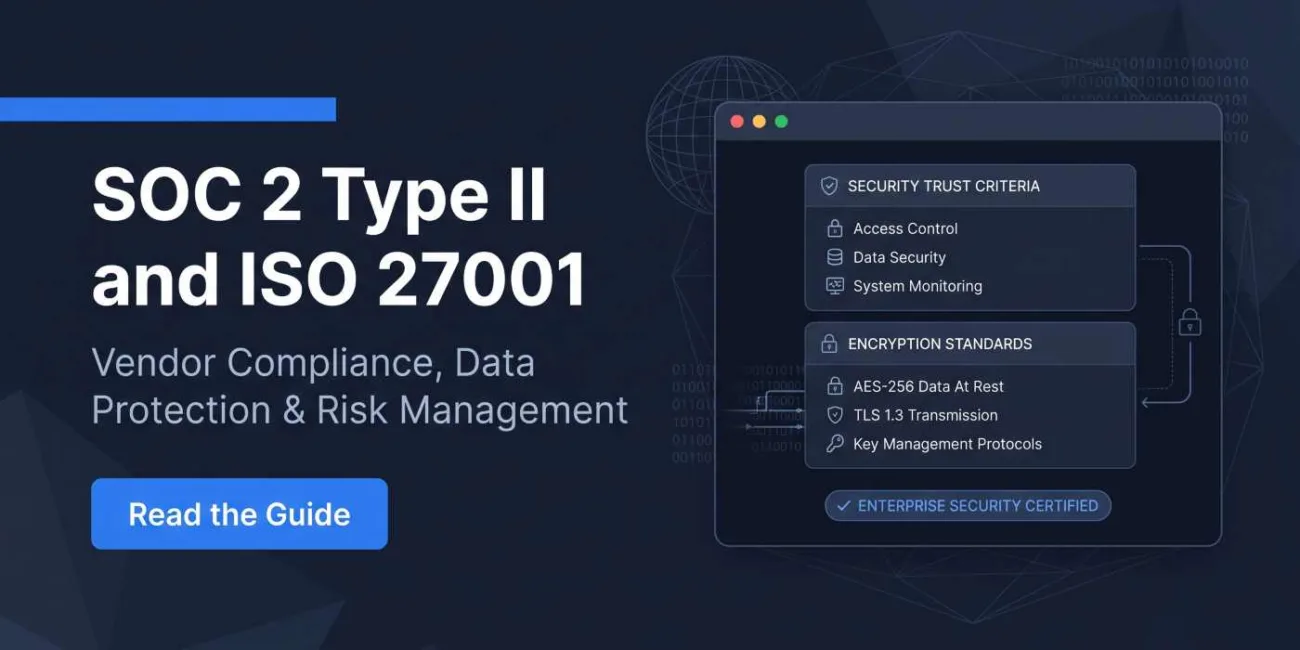
Open APIs ensure data flows seamlessly between your TMS, HR platforms like Workday, and CRM tools like Salesforce. Furthermore, modern providers increasingly rely on a flexible headless LMS architecture to connect disparate frontend experiences. Enterprise buyers must also review vendor verification reports such as a certified SOC 2 Type II and ISO 27001 report for LMS vendors to guarantee robust data protection. Robust infrastructure guarantees uninterrupted platform stability as your session volume grows.
Prioritizing Your TMS Feature Checklist
No platform excels equally across all thirty training management system features, and that operational reality is completely normal. Organizations achieve better software adoption when they select systems matching their unique delivery models rather than buying based on brand recognition alone. Start by identifying your organization’s most painful operational bottleneck. Whether you struggle with scheduling chaos, instructor tracking, or reporting visibility, let that specific problem guide your vendor evaluation.
Conclusion
Training management system features serve as the backbone of efficient commercial education businesses. By mapping software capabilities to your actual operational workflows rather than generic checklists, you secure rapid platform adoption and high return on investment. Automated scheduling, robust instructor portals, seamless e-commerce, and advanced compliance tracking eliminate administrative drag permanently. Investing in the correct technical infrastructure protects your profitability and positions your training organization for sustained long-term growth.
FAQ
Q1. What's the difference between a TMS and an LMS?
A TMS manages the operational side of training: scheduling, instructor coordination, resource booking, invoicing, and compliance tracking. An LMS delivers and hosts course content, tracking learner progress inside self-paced modules. Most commercial training providers running instructor-led programs need both, often integrated, since an LMS alone typically lacks scheduling, e-commerce, and instructor management capability.
Q2. Which training management system features should a small provider prioritize first?
Start with scheduling and resource management, since that’s where manual admin time concentrates fastest. Add registration and payment processing next if you sell seats commercially. Certification tracking and reporting can wait until volume or compliance requirements justify them. Buying every category at once usually means paying for a capability you won’t touch for a year.
Q3. Does a training management system replace a CRM?
No. A TMS integrates with a CRM rather than replacing it. A CRM stores customer relationships, purchase history, and sales interactions across your whole business. A TMS manages the operational specifics of a training session. The two work best connected, so a booking in your TMS automatically updates the customer record your sales team relies on.
Q4. How much does a training management system typically cost?
Most enterprise-grade platforms use quote-based pricing tied to user volume, feature scope, and integration needs, though some mid-market platforms publish flat-rate plans starting in the low hundreds per month. Push any vendor for a total cost of ownership figure covering licensing, onboarding, and integration work before comparing, since sticker prices rarely reflect what you’ll actually pay.
Q5. Can one TMS handle both in-person and virtual instructor-led training?
Yes, and in 2026 it should. The strongest platforms manage in-person, live-online, and blended programs from a single dashboard, including timezone-aware scheduling, virtual classroom integration, and unified attendance tracking across both formats. Providers running only one delivery mode today still benefit from a TMS built for both as their program mix evolves.