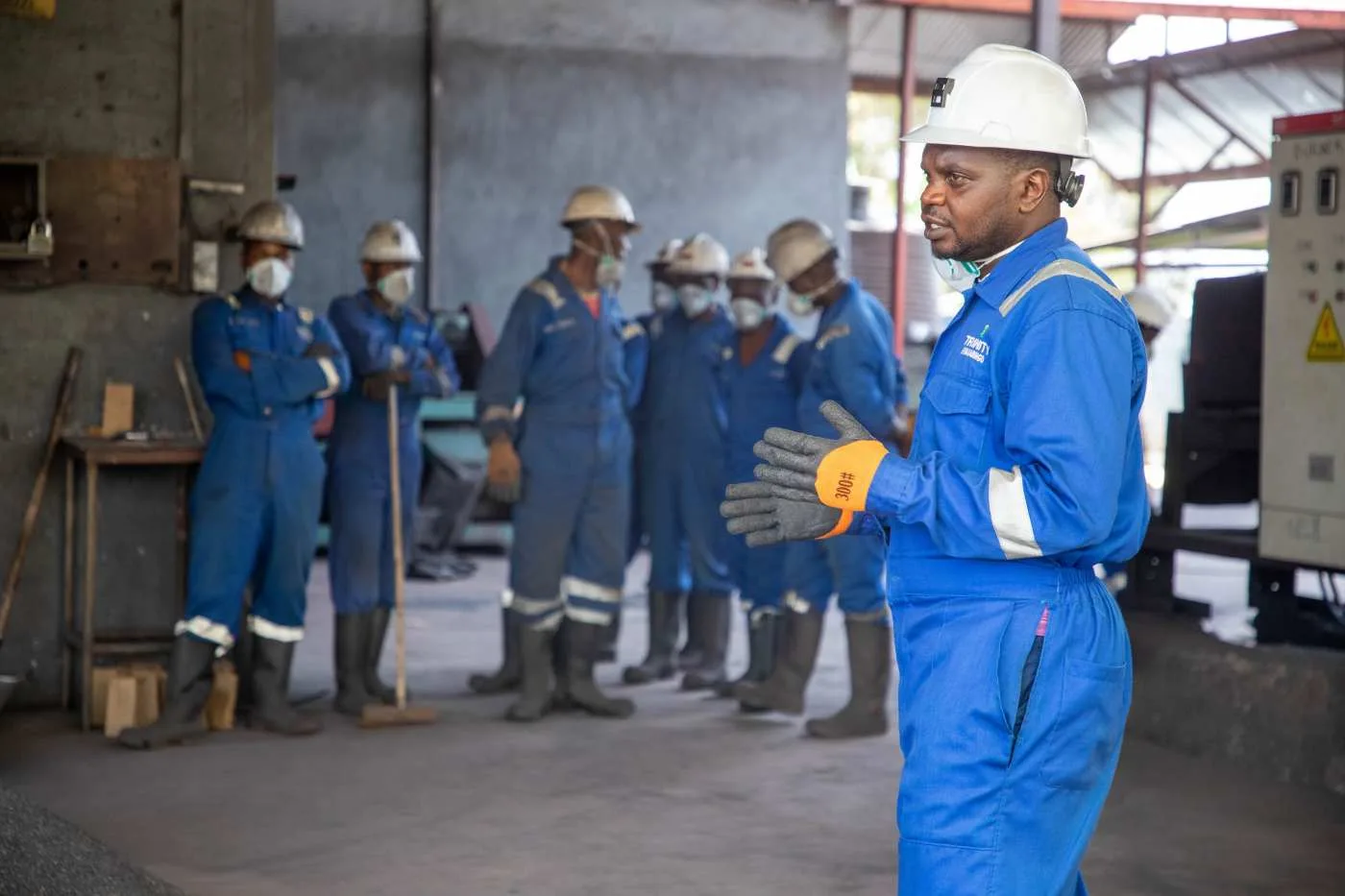
The global mining sector operates in one of the most hazardous, heavily regulated, and logistically complex environments on the entire planet. From deep underground excavations to massive surface strip mines, daily operations involve immense physical risks, heavy machinery, and highly volatile materials. In this high stakes environment, employee education is not simply a matter of career development or corporate onboarding. It is a fundamental matter of life and death. To protect workers and shield the organization from crippling legal liabilities, operators must implement rigorous educational frameworks. Deploying a robust mining training programs compliance TMS (Training Management System) is the most effective way to centralize these critical safety operations seamlessly.
Managing a massive workforce scattered across remote geographic locations requires far more than a basic digital learning platform. It requires a specialized operational infrastructure capable of tracking practical field assessments, managing expiring certifications, and maintaining flawless audit trails. In this comprehensive guide, we will explore the critical pillars of mineral industry training in deep detail. We will also outline exactly how advanced mining safety training software automates regulatory compliance, ensures operational competency, and protects your most valuable asset: your people. For more insights on optimizing specialized corporate training, explore our extensive resources in the LMSPedia blogs directory.
Key Takeaways

Safety is Paramount:
In the mining sector, training is a critical safety measure designed to prevent catastrophic accidents, heavy equipment failures, and massive environmental disasters.
Rigorous Compliance:
Mining operators face extremely strict regulatory oversight worldwide. Failing to provide accurate, up to date training records can result in massive fines or complete site shutdowns.
Centralized Technology:
Utilizing specialized software ensures that all classroom learning, field assessments, and compliance renewals are tracked in one secure, audit-ready database.
Competency Over Completion:
Standard training metrics like digital course completion are entirely insufficient. Mining requires proven, demonstrated competency in the field before a worker can operate heavy machinery.
Logistical Complexity:
Managing remote sites, offline environments, and complex shift-based workers requires highly adaptable scheduling and tracking systems that basic HR software cannot provide.
The High Stakes of Mineral Industry Training
The realities of mineral extraction are incredibly unforgiving. Workers are routinely exposed to dangerous gases, unstable geological formations, explosive materials, and massive industrial equipment operating in confined spaces. Consequently, mining workforce training must be exhaustive, continuous, and flawlessly documented. A single lapse in training protocol can lead to fatal accidents, devastating environmental spills, and severe reputational damage for the operating company.
Unlike traditional corporate environments where a minor mistake might result in a lost sale or a delayed software project, errors in the mining industry have catastrophic and immediate consequences. Therefore, training coordinators in this sector bear an immense daily burden. They must ensure that every single employee, third party contractor, and temporary site visitor has received the exact safety inductions required for their specific role and precise location. Furthermore, they must guarantee that this knowledge is actively retained and practically applied in the field every single day.
Contractor Compliance is Critical
Do not limit your compliance tracking to full time employees. Mining sites rely heavily on specialized contractors. Your training management software must explicitly track the safety inductions and active certifications of every third party contractor before they are legally allowed to step foot on the site.
Navigating Mining Compliance Training and Regulations
Regulatory bodies across the globe hold mining operations to incredibly strict legal standards. In the United States, the Mine Safety and Health Administration (MSHA) mandates rigorous safety and health training for all miners. Similar regulatory frameworks exist worldwide, such as Safe Work Australia and various stringent European directives. Failing to comply with these rigorous standards results in exorbitant financial penalties, criminal charges for site managers, and the immediate cessation of all revenue generating mining operations.
Effective mining compliance training requires meticulous and organized record keeping. When a government inspector arrives at a site unannounced, the training coordinator must be able to produce instantaneous, accurate records proving that every worker currently on duty is fully certified. Manual spreadsheets and fragmented paper files stored in filing cabinets are entirely insufficient for this level of scrutiny. If a training certificate expires while a worker is halfway through their underground shift, the company is instantly out of legal compliance.
This is precisely why organizations must completely digitize their records. A modern software platform automatically tracks expiration dates for critical certifications, such as confined space entry protocols, hazardous materials handling, and heavy vehicle operation licenses. The system sends automated digital alerts to both the worker and their direct supervisor weeks before a certificate lapses. This automation ensures that mandatory refresher courses are scheduled long before a compliance breach ever occurs.
Core Pillars of Mining Workforce Training
To build a truly effective educational culture, mining organizations must focus heavily on several core technical and behavioral pillars. A comprehensive curriculum goes far beyond basic corporate policy reviews, requiring deep, immersive instructional design tailored to the environment.
1. Underground Safety Training and Hazard Recognition
For subsurface operations, underground safety training is the absolute foundation of survival. Miners must be trained to recognize the early warning signs of structural instability, dangerous gas accumulations, and complex ventilation failures. This training requires highly interactive modules. Modern programs frequently utilize virtual reality simulations and practical field drills to immerse workers in emergency scenarios safely. They learn how to use self rescue breathing devices, navigate in zero visibility conditions, and execute rapid evacuation protocols without panic.
2. Equipment Operation and Maintenance Competency
Modern mining relies on massively expensive, highly complex machinery. This includes autonomous haul trucks, continuous miners, and massive hydraulic excavators. Operating this equipment safely requires rigorous, specialized education. Training programs must combine theoretical classroom instruction with strictly supervised, hands on practice. Furthermore, workers must be trained on mandatory maintenance protocols to prevent catastrophic mechanical failures that could endanger the entire crew or halt production for days.
3. Emergency Response and First Aid Readiness
Because mining sites are often located in extreme, geographically isolated environments, external emergency medical services may take several hours to arrive. Therefore, the on site workforce must be highly self sufficient in a crisis. Intensive first aid, trauma response, and emergency fire suppression training are mandatory components of the curriculum. Dedicated emergency rescue teams must undergo rigorous, continuous drilling to maintain their physical readiness and tactical coordination during high stress events.
4. Contractor Onboarding and Site Access Control
A mining site is not a closed ecosystem. Hundreds of vendors, maintenance specialists, and temporary workers cycle through the gates every single month. Ensuring these individuals understand site specific hazards is incredibly difficult. A robust program must include streamlined digital onboarding modules that contractors can complete on their smartphones before they even arrive at the security gate. By linking training completion directly to physical access badges, operators can physically prevent untrained personnel from entering hazardous zones.
The Logistical Nightmare of Training Management for Mining Industry
Designing high quality educational content is only the first challenge. The true difficulty lies in the delivery, scheduling, and tracking of that content. Executing effective training management for mining industry operators involves overcoming massive logistical hurdles that standard corporate HR systems simply cannot handle.
First, the workforce operates on highly complex shift schedules, often involving fly in, fly out (FIFO) rosters. Coordinating live classroom sessions when half the workforce is off site or sleeping after an exhausting night shift is a massive scheduling puzzle. Second, mining sites frequently suffer from poor or completely non existent internet connectivity. You cannot rely on cloud based video streaming for a safety induction if the remote site lacks basic bandwidth. Third, training is rarely confined to an air conditioned classroom. The most critical assessments occur directly in the field, requiring supervisors to sign off on practical competencies while standing next to active machinery in the mud and dust.
To overcome these hurdles, operators desperately need a dedicated training scheduling system capable of handling complex shift rotations and physical venue allocations. Additionally, commercial safety training providers who service the mining industry require specialized e-commerce tools. They must utilize the best TMS for open enrollment training businesses to seamlessly sell public safety courses to independent contractors and smaller mining outfits operating in the same region.
Implement Offline Field Assessments
Ensure your training software includes a mobile application with robust offline capabilities. Supervisors must be able to conduct practical competency assessments on a tablet deep underground or at a remote site without an internet connection. The app should automatically sync the results to the main database once the supervisor returns to a Wi Fi zone.
The Role of Advanced Mining Safety Training Software
To conquer these logistical and regulatory challenges, leading operators are abandoning fragmented legacy systems and outdated spreadsheets. Instead, they are centralizing their operations using powerful mining safety training software built specifically for heavy industry and highly regulated environments. Selecting the right combination of software tools is critical for maintaining site safety.
For example, many large scale operators utilize specialized workforce management tools like INX Software to handle massive fly in, fly out travel logistics alongside deep occupational health and safety compliance tracking. By tracking a worker’s physical location alongside their safety profile, operators ensure no one steps onto a flight without clearance.
For commercial safety training providers offering external compliance courses to mining companies, platforms like Arlo offer powerful vendor management and public course scheduling. These tools help safety academies process bulk corporate enrollments, ensuring that entire teams of contractors are registered for their mandatory safety inductions seamlessly.
However, when looking for a truly unified solution that bridges the gap between digital learning, live scheduling, and offline field assessments, organizations often turn to platforms like SimpliTrain. SimpliTrain excels in managing complex blended learning environments specifically for enterprise training operations. It allows training coordinators to schedule live hazard recognition workshops, track the allocation of physical training simulators, and automatically issue digital compliance certificates the moment a worker passes their final assessment. Because all this data flows into one centralized dashboard, safety managers can instantly access deep learning analytics to identify potential competency gaps before they lead to accidents.
This level of technological integration is essential for absolute audit readiness. If a regulatory agency demands proof of compliance, administrators do not need to scramble through dusty filing cabinets. Using the best training management software, they can generate comprehensive, time stamped reports with a single click, proving definitively that every worker on site is fully certified, competent, and legally cleared to operate heavy machinery.
Building a Culture of Continuous Safety
Technology and software are merely administrative tools. The ultimate goal of these programs is to build an unshakeable, deeply ingrained culture of safety across the entire organization. A culture where safety is not viewed as a boring administrative hurdle or a box to tick, but as a shared core value that protects every single member of the team on every single shift.
This cultural shift requires absolute leadership buy in from the very top of the organization. Executives and site managers must visibly prioritize safety training over daily production quotas. If a worker feels pressured to skip a mandatory safety check to speed up mineral extraction, the entire training framework fails completely. Mineral industry training must actively empower workers to stop production immediately if they identify an untrained individual operating machinery or if they spot a critical, unmitigated safety hazard. When the workforce knows without a doubt that management values their lives more than the daily mineral yield, they engage deeply with the educational materials. They stop taking shortcuts, they mentor new recruits properly, and they actively police the site for regulatory compliance.
Conclusion
Operating a profitable and safe mining enterprise requires an unwavering, relentless commitment to workforce education. The inherent dangers of the extraction process combined with intense regulatory scrutiny mean that a reactive approach to compliance is simply unacceptable for modern operators. By prioritizing deep hazard recognition, emergency readiness, and practical equipment competency, mining companies can drastically reduce the risk of catastrophic accidents. Navigating the complex logistics of remote locations and shift workers demands centralized, highly automated technology. By completely abandoning manual tracking methods and adopting dedicated management platforms, mining companies can guarantee flawless audit readiness, maintain continuous operational safety, and ensure that every single worker returns home safely at the end of their shift.
FAQ
Q1. Why is employee training important in 2026?
Employee training is vital in 2026 because of rapid technological changes and the widening skills gap. Continuous learning ensures your workforce remains adaptable, compliant, and highly competitive in a disruptive market.
Q2. What are the top benefits of employee training?
The top benefits include direct increases in corporate profitability, massive gains in daily productivity, significantly higher employee retention rates, and better preparation for advanced technology integration.
Q3. What is the best way to measure training ROI for businesses?
Businesses should track actionable metrics using deep learning analytics. This involves comparing training completion data directly against real world performance indicators like sales closing rates, error reductions, and customer satisfaction scores.
Q4. How does training improve employee retention?
Statistics show that the vast majority of employees are far more likely to stay at a company that invests in their career development. Training provides clear internal growth paths and adds meaningful purposes to their daily work.
Q5. How does software help secure the advantages of training employees?
A Training Management System automates the heavy administrative logistics of live corporate learning. It ensures efficient classroom scheduling, prevents double bookings, and tracks performance data to mathematically prove the financial value of the L&D program.